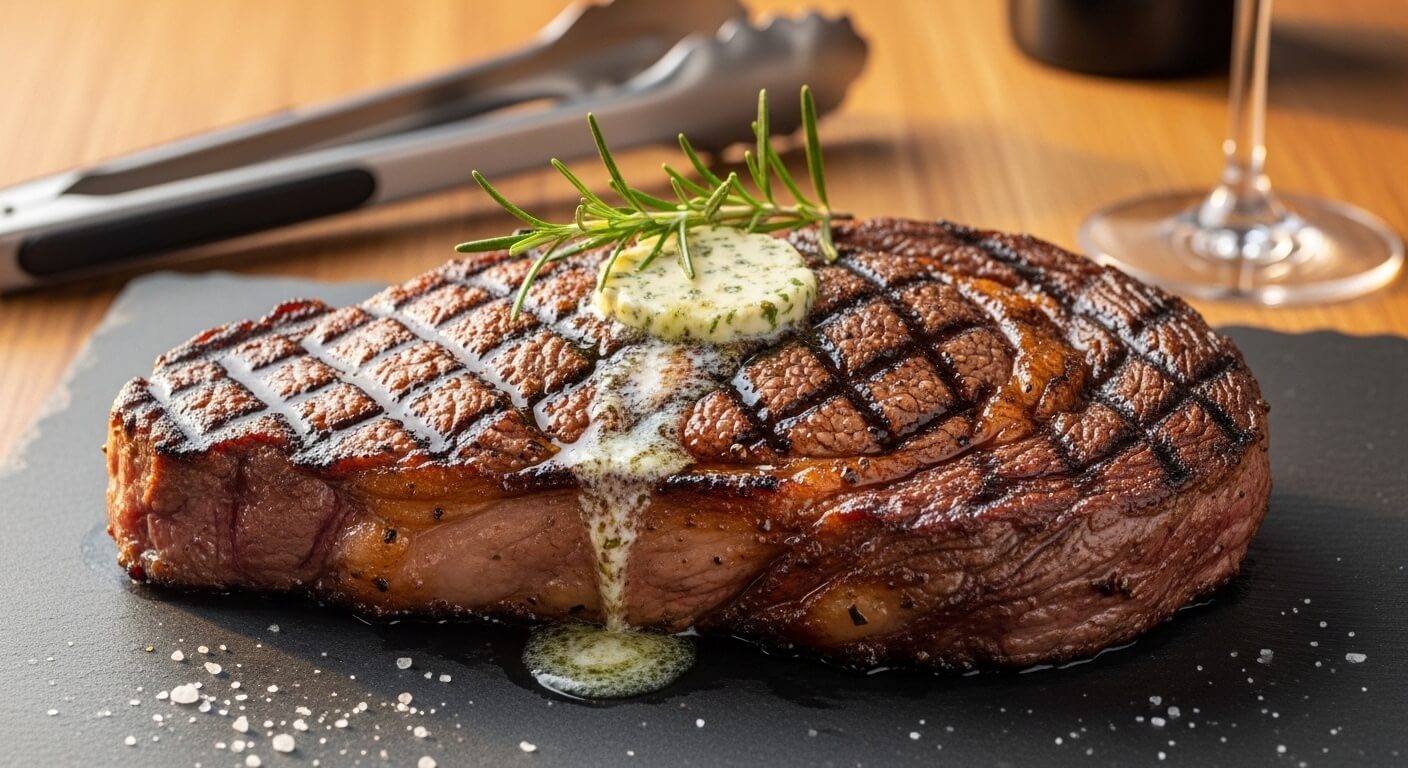
Steak Marinade Secrets: Essential Ingredients & Smart Prep Tips
Achieving a steakhouse-quality steak at home is a culinary aspiration for many, and while premium cuts and proper cooking techniques are crucial, there's one often-underestimated secret weapon: the humble
steak marinade recipe. A well-crafted marinade doesn't just add flavor; it can dramatically enhance the tenderness and juiciness of your meat, transforming a good steak into an unforgettable one. Whether you’re grilling, pan-searing, or even air-frying, mastering the art of the marinade is a game-changer for any home cook.
Why a Great Steak Marinade Recipe is Your Secret Weapon
Not all steaks are created equal, and understanding which cuts benefit most from a marinade is the first step to culinary success. Marinades serve a dual purpose: they infuse the meat with deep, complex flavors and, crucially, tenderize tougher cuts.
Understanding Which Cuts Benefit Most
When considering a marinade, think about the steak's natural tenderness.
Tougher cuts of steak, often characterized by more muscle fibers and less intramuscular fat, are prime candidates for marination. These include:
- Skirt Steak: Known for its robust beefy flavor, but can be chewy without proper preparation.
- Flank Steak: Lean and flavorful, it benefits immensely from tenderization.
- Strip Steak (New York Strip): While generally tender, a marinade can add an extra layer of flavor and ensure maximum juiciness, especially if it's a leaner cut.
- Sirloin: A versatile and flavorful cut that truly shines with a good marinade.
For these cuts, a marinade's acidity works to break down connective tissues, making the meat significantly more tender. You can learn more about specific cuts and ideal marinating times in our detailed guide:
The Best Steak Marinade: Cuts That Need It & How Long To Marinate.
On the other hand, naturally tender and flavorful cuts like rib-eyes, filets (filet mignon), and T-bones often need very little beyond a generous seasoning of salt and pepper, or perhaps a simple dry rub. Their inherent tenderness and rich marbling mean they don't require external tenderization, and a heavy marinade might even overpower their delicate flavors.
The Dual Power of Flavor & Tenderness
A marinade is a dynamic blend designed to penetrate the surface of the meat. The primary mechanisms at play are:
- Tenderization: Acidic ingredients (like vinegar or citrus juice) chemically break down muscle fibers and connective tissues, resulting in a more tender bite.
- Flavor Infusion: The various aromatic and savory ingredients seep into the meat, imparting layers of flavor that go beyond surface seasoning.
- Moisture Retention: Fats in the marinade help to lock in moisture, contributing to a juicier end product.
Deconstructing the Perfect Steak Marinade: The Core Components
Every effective
steak marinade recipe hinges on a fundamental trinity of ingredients: a fat, an acid, and seasonings. Understanding the role of each component is key to creating a balanced and effective marinade.
The Role of Fat: Moisture & Flavor Distribution
Fat is essential for a few reasons. Firstly, it helps to carry and distribute fat-soluble flavor compounds, ensuring a more even flavor infusion. Secondly, it acts as a barrier, preventing the meat from drying out during cooking and contributing to a succulent texture.
- Olive Oil: The most common choice, offering a mild, fruity flavor and a good smoke point.
- Avocado Oil: A neutral flavor with a very high smoke point, ideal for high-heat cooking.
- Sesame Oil: Adds a distinct nutty flavor, best used in smaller quantities for specific flavor profiles.
The Magic of Acid: Tenderizing & Brightness
The acidic component is the primary tenderizer in your marinade. It works by denaturing proteins on the surface of the meat, loosening muscle fibers. Beyond tenderization, acids also add a crucial brightness and tang to the overall flavor profile.
- Balsamic Vinegar: Adds a sweet and tangy depth, often with caramel notes.
- Red Wine Vinegar: A sharper, fruitier tang.
- Lemon Juice or Lime Juice: Provides a fresh, zesty brightness.
- Worcestershire Sauce: A complex, savory, and slightly acidic ingredient that adds significant umami.
The Symphony of Seasonings: Building Depth
This is where your marinade truly comes alive, adding the aromatic, savory, sweet, and spicy notes that define its character.
- Garlic: A fundamental aromatic that provides a pungent, savory base.
- Mustard (Dijon, Whole Grain): Adds a sharp, tangy, and slightly spicy kick, and also acts as an emulsifier.
- Soy Sauce: A source of powerful umami, saltiness, and a beautiful dark color.
- Fresh Herbs (Rosemary, Thyme, Oregano): Contribute earthy, pungent, or subtly floral notes. Dried herbs can also be used, but fresh often provide a brighter flavor.
- Salt & Black Pepper: Non-negotiable flavor enhancers. Salt helps draw moisture and flavor into the meat.
- Sugar (Brown Sugar, Honey): A touch of sweetness balances the acidity and promotes beautiful caramelization (Maillard reaction) during cooking, creating a delicious crust.
- Smoked Paprika: For a deeper, smoky undertone.
- Onion Powder/Garlic Powder: Concentrated, easy-to-use forms of these aromatics.
Crafting Your Signature Steak Marinade Recipe: Essential Ingredients & Combinations
While the core components remain consistent, the specific ingredients and their ratios allow for endless customization. Let's consider a highly effective and popular blend, inspired by master chefs, as a fantastic starting point for your next
steak marinade recipe. This combination balances savory, tangy, and aromatic elements perfectly.
A classic and robust blend includes:
- ¼ cup Olive Oil: The foundational fat, providing a smooth base.
- 2 tablespoons Worcestershire Sauce: A powerhouse of umami and subtle acidity, critical for deep savory notes.
- 1 tablespoon Balsamic Vinegar (or Red Wine Vinegar): Adds a crucial tangy element and aids in tenderization.
- 1 tablespoon Dijon Mustard: Contributes a sharp, piquant flavor and helps to emulsify the marinade.
- 2 cloves Garlic, minced: Essential aromatic for a pungent, savory backbone.
- 1 teaspoon Fresh Rosemary, chopped: Imparts an earthy, piney aroma that pairs beautifully with beef.
- 1 teaspoon Fresh Thyme, chopped: Offers a more delicate, woody herbaceousness.
- 1 teaspoon Salt & ½ teaspoon Black Pepper: The fundamental seasonings to enhance all other flavors.
- ½ teaspoon Smoked Paprika (optional): For an extra layer of rich, smoky flavor.
- 1 teaspoon Lemon Juice (optional): To brighten the overall profile with a zesty finish.
This particular blend is renowned for its ability to infuse steak with deep, bold flavors while ensuring juiciness, whether you're grilling, pan-searing, or even air-frying. It’s a testament to how well-chosen ingredients can elevate any cut of beef. For a detailed exploration of such impactful blends, check out our article on
Unlock Steakhouse Flavor: Gordon Ramsay Marinade for Any Steak.
Smart Prep & Marinating Practices for Flawless Results
Beyond the ingredients, how you handle your marinade and steak is equally important for achieving outstanding results.
The Ideal Marinating Duration
The question of "how long" is crucial. Marinating time is a balance between flavor infusion/tenderization and preventing the meat from becoming mushy.
- Minimum: For quick flavor infusion, 30 minutes in the refrigerator can make a difference, especially for thinner cuts.
- Optimal: Most steaks benefit greatly from 4 to 6 hours of marination. This window allows ample time for flavors to penetrate and for tenderization to occur without overdoing it.
- Maximum: Do not exceed 24 hours. Beyond this point, the acids in the marinade can start to break down the meat fibers too much, leading to a mushy or mealy texture rather than a tender one.
Preparation & Storage Wisdom
*
Mixing: Always whisk all marinade ingredients thoroughly in a bowl before adding the steak to ensure even distribution of flavors.
*
Coating: Place your steak in a resealable plastic bag or a shallow, non-reactive dish. Pour the marinade over, ensuring the steak is fully coated. If using a dish, flip the steak halfway through marinating time.
*
Make-Ahead: Yes, you can prepare the marinade ahead of time! Mix all ingredients (without the meat) and store it in an airtight container in the refrigerator for up to three days. When you’re ready, simply add your steak.
*
Safety First: Never reuse steak marinade that has come into contact with raw meat. Once the meat has been removed, the marinade contains raw meat juices and should be discarded immediately to prevent bacterial contamination.
Post-Marinade Perfection: The Pat-Dry Secret
Before cooking, remove the steak from the marinade and pat it thoroughly dry with paper towels. This step is often overlooked but is absolutely critical for several reasons:
- Achieving a Great Sear: Excess moisture on the surface of the steak will steam rather than sear, preventing the formation of that delicious, caramelized crust (the Maillard reaction).
- Preventing Flare-Ups: Particularly on the grill, dripping marinade can cause flare-ups, leading to burnt spots and uneven cooking.
Conclusion
A thoughtfully prepared
steak marinade recipe is far more than just a coating; it’s an investment in flavor, tenderness, and a truly memorable meal. By understanding the essential components—fat, acid, and a symphony of seasonings—and adhering to smart preparation techniques, you can transform ordinary cuts into extraordinary culinary experiences. Don’t be afraid to experiment with different herbs, spices, and acidic bases to discover your own signature marinade. The secret to steakhouse-quality steak at home is now yours to command. Happy cooking!