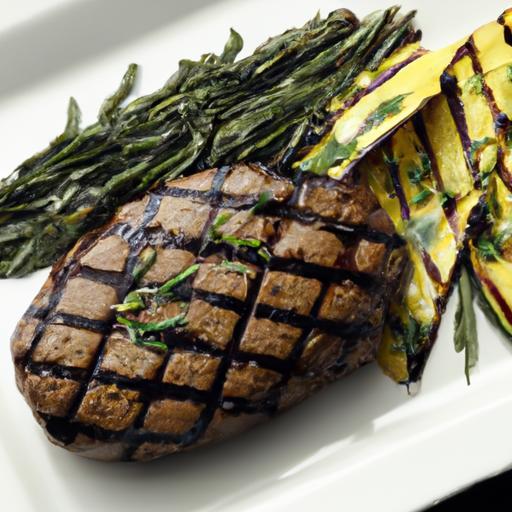
Unlock Steakhouse Flavor: Gordon Ramsay Marinade for Any Steak
Imagine searing a steak in your own kitchen that rivals the quality and flavor of one served in a high-end steakhouse. It might sound like a dream, but with the right techniques and a stellar steak marinade recipe, it's entirely achievable. When it comes to elevating simple ingredients to gourmet status, few names resonate as strongly as Gordon Ramsay. Known for his uncompromising standards and mastery of flavor, Ramsay's approach to steak preparation is a testament to the power of thoughtful seasoning. This comprehensive guide will delve into Gordon Ramsay's renowned steak marinade, a blend designed not just to coat your meat, but to infuse it with profound savory, tangy, and aromatic notes, transforming any cut into a culinary masterpiece. Get ready to impress yourself and your guests with effortlessly tender and incredibly flavorful steak, every single time.
The Secret to Steakhouse-Quality Flavor: Gordon Ramsay's Marinade Philosophy
At its heart, any great marinade serves a dual purpose: to enhance flavor and to tenderize the meat. Gordon Ramsay's signature steak marinade exemplifies this philosophy, striking a perfect balance between savory depth, bright acidity, and earthy aromatics. He understands that a marinade isn't just about adding flavor to the surface; it's about permeating the muscle fibers to create a truly integrated taste experience. The fundamental components of a successful marinade are consistent across various culinary traditions, and Ramsay's recipe expertly brings them together:
- An Acid: Ingredients like balsamic vinegar, red wine vinegar, or lemon juice are crucial. The acid works to break down the tough muscle fibers in the meat, leading to a more tender texture. It also adds a bright, tangy counterpoint to the richness of the beef.
- A Fat: Olive oil is the fat of choice here. It helps to distribute the fat-soluble flavors throughout the meat, preventing it from drying out during cooking, and creating a beautiful crust.
- Seasonings and Aromatics: This is where the magic truly happens. Garlic, fresh herbs (rosemary, thyme), Worcestershire sauce for umami, Dijon mustard for a pungent kick, salt, and pepper all contribute to a complex, multi-layered flavor profile that sings through every bite.
This careful combination ensures that the marinade not only adds a delicious coating but genuinely transforms the steak, making it juicier and more palatable. Whether you're working with a lean cut or aiming to amplify the natural richness of a premium steak, this marinade acts as a flavor catalyst, promising restaurant-quality results from your home kitchen.
Unveiling the Gordon Ramsay Steak Marinade Recipe
Ready to create this game-changing marinade? The beauty of Gordon Ramsay's recipe lies in its simplicity and the power of its well-chosen ingredients. It takes mere minutes to prepare, allowing you more time to focus on perfecting your cooking technique.
Essential Ingredients for Culinary Excellence
Each component plays a vital role in building the marinade's complex flavor profile:
- ¼ cup Olive Oil: The base fat, carrying flavors and promoting even cooking. Opt for a good quality extra virgin olive oil.
- 2 tablespoons Worcestershire Sauce: A secret weapon for umami depth, adding a savory, slightly tangy richness.
- 1 tablespoon Balsamic Vinegar (or Red Wine Vinegar): The primary acid, crucial for tenderizing and adding a sophisticated tang.
- 1 tablespoon Dijon Mustard: Adds a sharp, piquant flavor that emulsifies the marinade and helps the ingredients cling to the meat.
- 2 cloves Garlic, minced: Essential aromatic, contributing pungent, savory notes that are fundamental to steak flavor.
- 1 teaspoon Fresh Rosemary, chopped: Woody and piney, rosemary infuses the steak with classic, aromatic steakhouse vibes.
- 1 teaspoon Fresh Thyme, chopped: Earthy and slightly minty, thyme complements rosemary and adds another layer of herbal freshness.
- 1 teaspoon Salt: Enhances all other flavors and draws moisture out then back into the meat, leading to a juicier result.
- ½ teaspoon Black Pepper: Provides a subtle heat and aromatic punch. Freshly ground is always best.
- ½ teaspoon Smoked Paprika (optional, for extra depth): Adds a beautiful smoky undertone and a vibrant color, deepening the overall flavor. Highly recommended for a more robust profile.
- 1 teaspoon Lemon Juice (optional, for brightness): A final touch of acidity can lift and brighten the entire marinade, especially if you prefer a more zesty finish.
Using fresh herbs and good quality ingredients makes a noticeable difference, echoing Ramsay's emphasis on quality produce.
Step-by-Step Preparation Guide
- Combine the Ingredients: In a small bowl, whisk together the olive oil, Worcestershire sauce, balsamic vinegar (or red wine vinegar), Dijon mustard, minced garlic, chopped fresh rosemary, chopped fresh thyme, salt, black pepper, and smoked paprika (if using). If adding lemon juice, whisk it in now. Ensure all ingredients are thoroughly combined into a cohesive mixture.
- Prepare the Steak: Place your desired cut of steak in a resealable plastic bag (a sturdy freezer bag works wonderfully) or a shallow, non-reactive dish (glass or ceramic is ideal).
- Marinate the Steak: Pour the prepared marinade over the steak, ensuring it is fully coated. If using a bag, press out as much air as possible before sealing, then massage the marinade around the meat. If using a dish, turn the steak a few times to ensure even coverage.
- Refrigerate and Rest: Place the marinating steak in the refrigerator. Allow it to rest for at least 30 minutes to an hour for a quick flavor boost, or for up to 8 hours for a deeper, more profound infusion of flavor and tenderness.
- Remove and Dry the Steak: Before cooking, remove the steak from the marinade. Crucially, pat the steak thoroughly dry with paper towels. This step is essential for achieving a perfect sear and a delicious crust; excess moisture will steam the meat instead of searing it.
Mastering the Marination Process: Tips for Perfect Steak
While the Gordon Ramsay marinade provides an incredible foundation, understanding the nuances of marinating itself will truly elevate your steak game.
Choosing the Right Cut: When to Marinate, When to Season
Not all steaks benefit equally from a marinade. Gordon Ramsay, like many chefs, recognizes that a marinade is best utilized for tougher, less expensive cuts that require a little help in the tenderness department, or to add significant flavor to more neutral-tasting cuts. These include:
- Skirt Steak: Fantastic for fajitas or stir-fries, skirt steak is thin and absorbs flavor beautifully.
- Flank Steak: Similar to skirt, flank benefits greatly from tenderizing and flavor infusion, often sliced against the grain for serving.
- Strip Steak (New York Strip): While more tender than skirt or flank, a strip steak can still benefit from a marinade to enhance its flavor profile.
- Sirloin Steak: A lean and flavorful cut that truly shines with a good marinade.
For premium cuts like rib-eyes, filets mignon, and T-bones, which are already incredibly tender and flavorful, a marinade can sometimes mask their natural taste. These cuts often do best with just a generous seasoning of salt and pepper, or a simple dry rub, allowing their inherent qualities to shine. If you *do* choose to marinate a premium cut, keep the marinating time shorter, perhaps 30 minutes to 2 hours, just to add an extra layer of flavor without overly tenderizing.
Optimal Marinating Times and Food Safety
The duration of marination is critical for both flavor and safety:
- Minimum Time (30 minutes - 1 hour): This is enough to impart a surface flavor to the meat. Ideal for quicker preparations or for cuts that don't need significant tenderizing.
- Ideal Time (4-6 hours): This duration allows the marinade to penetrate deeper into the meat, tenderizing it effectively and infusing robust flavor without overdoing it.
- Maximum Time (Up to 24 hours): For very tough cuts, marinating up to 24 hours is acceptable. However, do not exceed this timeframe. The acids in the marinade will begin to break down the meat's structure too much, resulting in a mushy or mealy texture rather than a tender one.
Food Safety is Paramount: Always marinate steak in the refrigerator, never at room temperature, to prevent bacterial growth. Furthermore, never reuse marinade that has touched raw meat. Once the raw steak has been removed, the marinade should be discarded. If you wish to use some of the marinade as a sauce, set aside a portion of it before it comes into contact with the raw meat, and then bring that separate portion to a rolling boil for several minutes to ensure it is safe to consume.
Prep Ahead and Cooking Considerations
This marinade is incredibly versatile. You can prepare the marinade mixture itself up to three days in advance and store it in an airtight container in the refrigerator. Simply add your steak when you're ready to marinate. Remember the crucial step of patting the steak dry before cooking; this ensures a beautiful, caramelized crust, whether you're grilling, pan-searing, or even air-frying your steak. High heat is key to a good sear, so make sure your pan or grill is piping hot before the steak hits it.
Beyond the Basics: Customizing Your Gordon Ramsay Marinade
While Ramsay's recipe is fantastic as is, don't hesitate to personalize it. Cooking is an art, and personal touches can make it even more enjoyable. Here are a few ideas:
- Add a Touch of Heat: A pinch of red pepper flakes or a dash of your favorite hot sauce can introduce a delightful kick.
- Sweet Notes: A teaspoon of brown sugar or honey can balance the acidity and promote better caramelization during cooking.
- Different Herbs: While rosemary and thyme are classic, consider swapping in oregano, marjoram, or even a touch of finely chopped fresh mint for a different aromatic profile.
- Citrus Zest: The zest of a lemon or orange adds a brighter, more fragrant dimension without increasing acidity too much.
Experimentation is encouraged! Adjust quantities and ingredients to suit your personal palate and the specific cut of steak you're working with.
Conclusion
Achieving steakhouse-quality flavor at home is not a myth; it's a delicious reality when armed with the right knowledge and a powerful steak marinade recipe. Gordon Ramsay's approach provides a masterclass in balancing essential flavors and tenderizing agents, ensuring every bite of your steak is juicy, tender, and bursting with flavor. By understanding which cuts benefit most, adhering to optimal marinating times, and practicing good food safety, you can consistently produce memorable meals. So, gather your ingredients, follow this guide, and prepare to unlock an unparalleled steak experience right in your own kitchen.
