Understanding Your Cut: Which Steaks Benefit Most from a Marinade?
Embarking on the journey to a perfectly cooked steak often begins long before it hits the heat. While some cuts of beef are naturally tender and flavorful, thriving with just a simple seasoning, others truly shine when introduced to a well-crafted steak marinade recipe. Understanding which cuts fall into each category is the first step toward culinary success.
Steaks That Love a Marinade: The Tenderizing Transformers
Marinades work wonders on tougher cuts of steak by breaking down muscle fibers and infusing them with deep, complex flavors. These cuts, often more affordable, are transformed into succulent, tender experiences that rival their pricier counterparts.
- Skirt Steak: Known for its robust beefy flavor, skirt steak is a prime candidate for marinating. Its loose grain absorbs flavors beautifully, and the acid in a marinade tenderizes it significantly, making it ideal for fajitas or stir-fries.
- Flank Steak: Similar to skirt steak but wider and flatter, flank steak also benefits immensely from marinating. The marinade helps to loosen its tight muscle fibers, ensuring a more tender chew. Always slice against the grain after cooking for maximum tenderness.
- Sirloin Steak (especially Top Sirloin): While not as tough as skirt or flank, sirloin can sometimes benefit from a marinade, particularly if you're looking to enhance its flavor profile or ensure maximum tenderness.
- Strip Steak (e.g., New York Strip): While often considered a more tender steak, certain strip steaks, especially leaner ones, can gain an extra layer of moisture and flavor from a shorter marinade.
The secret lies in the marinade's ability to penetrate the meat, introducing moisture and enzymatic action (from acids like vinegar or citrus) that gently tenderizes the muscle. This process not only improves texture but also carries savory ingredients deep into the meat, ensuring every bite is bursting with flavor.
Steaks That Don't Need a Marinade: The Naturally Perfect
Some steaks are inherently tender and rich in flavor, requiring minimal intervention. For these premium cuts, a marinade can sometimes be overkill, masking their natural deliciousness or even negatively impacting their texture if over-marinated.
- Ribeye: Famous for its generous marbling (intramuscular fat), ribeye is incredibly tender and juicy on its own. A simple seasoning of salt and pepper is usually all it needs to highlight its inherent richness.
- Filet Mignon (Tenderloin): The king of tenderness, filet mignon is lean and buttery soft. Marinating can sometimes compromise its delicate texture or overwhelm its subtle flavor. A quality spice rub or just salt and pepper is preferred.
- T-Bone / Porterhouse: These cuts feature both the tenderloin and a strip steak, offering the best of both worlds. The ample marbling and inherent tenderness make heavy marinating unnecessary.
For these cuts, focus on high-quality salt and freshly ground pepper, perhaps a dry spice rub, to create a flavorful crust while allowing the steak's natural attributes to shine. The goal here is to enhance, not transform.
The Anatomy of an Exceptional Steak Marinade Recipe
A truly effective steak marinade recipe isn't just a random mix of liquids; it's a carefully balanced symphony of components designed to infuse flavor and tenderize meat. Understanding the role of each element is key to crafting your own perfect blend or appreciating a classic like the Gordon Ramsay marinade.
The Three Pillars of a Great Marinade
- The Fat (e.g., Olive Oil, Vegetable Oil):
Fat serves multiple crucial purposes. Firstly, it helps to evenly distribute flavor compounds throughout the marinade and onto the meat. Secondly, it contributes to moisture retention, preventing the steak from drying out during cooking. Thirdly, it can aid in creating a beautiful sear by promoting even heat transfer and preventing sticking. Olive oil, with its fruity notes, is a popular choice, but neutral oils like vegetable or canola oil also work well.
- The Acid (e.g., Balsamic Vinegar, Red Wine Vinegar, Lemon Juice, Worcestershire Sauce):
The acid component is the tenderizer. It works by denaturing the proteins in the meat, effectively "cooking" them slightly and loosening their structure. This results in a more tender bite and allows flavors to penetrate deeper. However, balance is crucial; too much acid, or marinating for too long, can turn your steak mushy or give it an unpleasantly tangy flavor. Acids also add brightness and complexity to the overall taste profile.
- The Seasonings (e.g., Garlic, Herbs, Soy Sauce, Dijon Mustard, Sugar, Salt, Pepper, Smoked Paprika):
This is where the bulk of your flavor comes from. Seasonings can range from aromatic garlic and fresh herbs like rosemary and thyme, to umami-rich soy sauce and Worcestershire, pungent Dijon mustard, or a touch of sweetness from sugar or honey to balance the acid and promote caramelization. Salt is particularly important as it helps draw moisture and flavor into the meat, acting as a brine. Spices like smoked paprika add warmth and depth, rounding out the flavor profile.
By thoughtfully combining these three elements, you create a dynamic solution that enhances the inherent qualities of your steak, transforming it into a culinary masterpiece. For a deeper dive into these essential components and smart preparation techniques, check out our guide: Steak Marinade Secrets: Essential Ingredients & Smart Prep Tips.
Mastering Marinating Times: How Long is Just Right?
One of the most frequently asked questions about any steak marinade recipe is, "How long should I marinate the steak?" The answer isn't a one-size-fits-all, as it depends on your steak's thickness, cut, and the strength of your marinade's acidic components. However, there are clear guidelines to follow for optimal results.
- Minimum Time (30 minutes): If you're pressed for time, a quick 30-minute soak can still impart some surface flavor, especially for thinner cuts. While it won't achieve significant tenderization, it's enough to add a noticeable boost of taste.
- Ideal Time (4 to 6 hours): This is the sweet spot for most steaks that benefit from marinating. Within this timeframe, the acid has enough opportunity to gently tenderize the meat without overdoing it, and the seasonings have ample time to penetrate and infuse flavor deeply. This balance ensures both improved texture and robust taste.
- Maximum Time (Up to 24 hours): For thicker, tougher cuts, you can extend marinating up to 24 hours. This allows for maximum tenderization and flavor absorption. However, pushing beyond 24 hours is generally not recommended. Strong acids, if left for too long, will begin to break down the meat's structure too aggressively, leading to a mushy, unappetizing texture rather than a tender one. The steak can start to feel grainy or mealy, compromising the entire eating experience.
Important Marinating Tips:
- Always Refrigerate: For food safety, always marinate your steak in the refrigerator. Never marinate at room temperature for extended periods.
- Pat Dry Before Cooking: Before grilling, pan-searing, or air-frying, always remove the steak from the marinade and pat it thoroughly dry with paper towels. Excess moisture on the surface will steam the steak rather than allowing it to achieve a desirable, flavorful sear.
- Use Non-Reactive Containers: Opt for glass dishes, ceramic bowls, or resealable plastic bags for marinating. Acidic marinades can react with metal containers, imparting an off-flavor to your meat.
Unleash Flavor: The Gordon Ramsay Steak Marinade Recipe
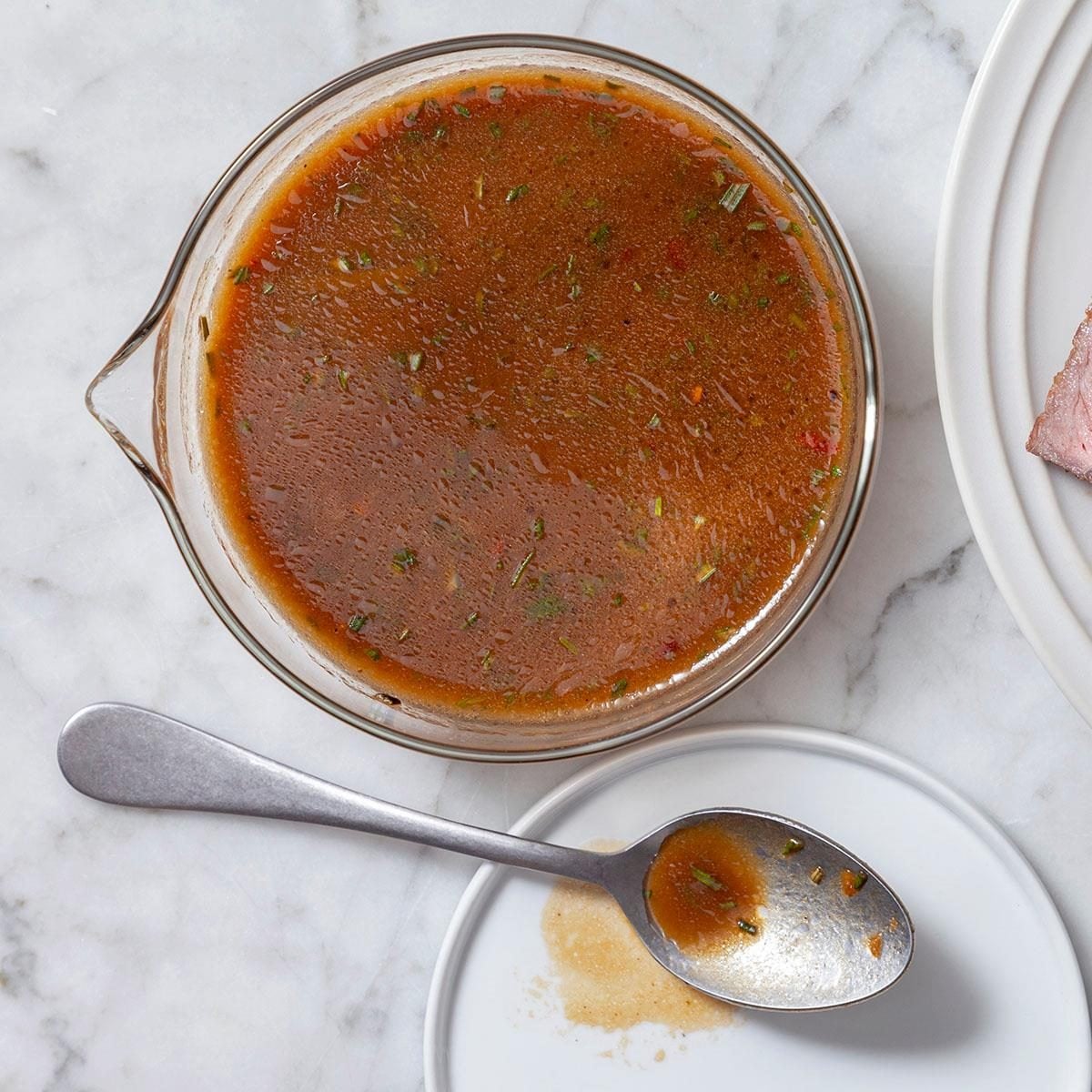
For those seeking a tried-and-true steak marinade recipe that delivers steakhouse-quality results, the Gordon Ramsay Steak Marinade is an excellent choice. This blend is renowned for its ability to infuse beef with a harmonious balance of savory, tangy, and aromatic notes, ensuring a juicy and flavorful steak every time.
Why Choose Gordon Ramsay's Marinade?
This marinade is celebrated for its ability to:
- Enhance Flavor: A rich combination of Worcestershire, Dijon, garlic, and fresh herbs creates a truly bold and savory profile.
- Improve Tenderness: The balsamic vinegar and Worcestershire sauce work together to gently break down muscle fibers, making even tougher cuts more palatable.
- Versatility: It performs exceptionally well across various cooking methods, from grilling to pan-searing or air-frying.
- Ease of Preparation: Despite its gourmet results, it’s surprisingly quick and straightforward to prepare.
Ingredients for the Gordon Ramsay Steak Marinade
This powerful marinade typically calls for:
- ¼ cup olive oil (the fat and flavor carrier)
- 2 tablespoons Worcestershire sauce (umami depth, slight acidity)
- 1 tablespoon balsamic vinegar (tenderizing acid, sweetness)
- 1 tablespoon Dijon mustard (tang, emulsifier, flavor punch)
- 2 cloves garlic, minced (aromatic foundation)
- 1 teaspoon fresh rosemary, chopped (earthy, fragrant herb)
- 1 teaspoon fresh thyme, chopped (subtle, peppery herb)
- 1 teaspoon salt (essential seasoning, flavor enhancer)
- ½ teaspoon black pepper (mild spice, aromatic)
- ½ teaspoon smoked paprika (optional, for extra depth and color)
- 1 teaspoon lemon juice (optional, for added brightness)
Simple Steps to Prepare and Marinate
- Mix the Ingredients: In a small bowl, whisk together the olive oil, Worcestershire sauce, balsamic vinegar, Dijon mustard, minced garlic, rosemary, thyme, salt, pepper, and optional smoked paprika and lemon juice until well combined.
- Prepare the Steak: Place your chosen steak cuts (e.g., skirt, flank, or sirloin) in a resealable plastic bag or a shallow, non-reactive dish.
- Marinate: Pour the prepared marinade over the steak, ensuring all surfaces are thoroughly coated. Seal the bag or cover the dish.
- Refrigerate: Marinate in the refrigerator for at least 30 minutes, but ideally for 4 to 8 hours for the deepest flavor and tenderization.
- Prepare for Cooking: Before you're ready to cook, remove the steak from the marinade. Crucially, pat the steak completely dry with paper towels. This step is vital for achieving a beautiful, crusty sear. Discard any remaining marinade that has come into contact with raw meat.
For more detailed instructions and tips on achieving that signature steakhouse flavor with this incredible recipe, explore our dedicated article: Unlock Steakhouse Flavor: Gordon Ramsay Marinade for Any Steak.
Smart Marinade Practices: Prep, Storage, and Safety
Beyond the ingredients and timing, responsible marinade practices are essential for both convenience and food safety. Knowing how to store, prepare, and handle your marinade ensures a delicious and worry-free dining experience.
Can You Make Steak Marinade Ahead of Time?
Absolutely! Preparing your steak marinade recipe in advance is a fantastic time-saver. Simply whisk together all the ingredients (excluding the meat) and store it in an airtight container in the refrigerator for up to three days. This allows the flavors to meld and deepen, giving you a ready-to-use marinade whenever steak night calls. When you're ready to marinate, just pour it over your meat and follow the recommended marinating times.
Can You Reuse Steak Marinade?
No, under no circumstances should you reuse marinade that has come into contact with raw meat. This is a critical food safety rule. Once raw meat has been submerged in the marinade, it can introduce harmful bacteria into the liquid. Reusing this contaminated marinade, whether for another batch of meat, as a sauce, or for basting, poses a significant risk of foodborne illness. Always discard used marinade immediately after removing the meat.
If you wish to use some of the marinade as a sauce, set aside a portion of the *fresh, unused* marinade before adding it to the meat. This reserved portion can then be safely simmered to create a delicious accompanying sauce.
Additional Practical Tips:
- Even Coating: When marinating in a resealable bag, massage the bag occasionally to ensure the marinade evenly coats all surfaces of the steak. If using a dish, flip the steak once or twice during marinating.
- Room Temperature Myth: While some older recipes might suggest bringing meat to room temperature before marinating or cooking, for marinating, it's safest to keep the meat in the refrigerator throughout the process. For cooking, bringing a thick steak out 30-60 minutes before cooking can help with even temperature distribution, but marinating should always be done cold.
Conclusion
Mastering the art of the steak marinade recipe is a game-changer for any home cook. By understanding which cuts benefit most, balancing the essential components of fat, acid, and seasonings, and adhering to optimal marinating times, you unlock a world of flavor and tenderness. Whether you opt for a classic blend or a robust recipe like Gordon Ramsay's, remember to prioritize food safety by never reusing marinade. With these insights and practical tips, you’re well on your way to transforming good steaks into truly unforgettable culinary experiences, every single time.
